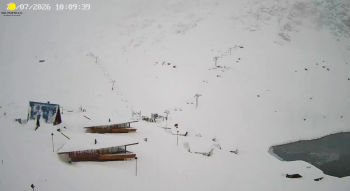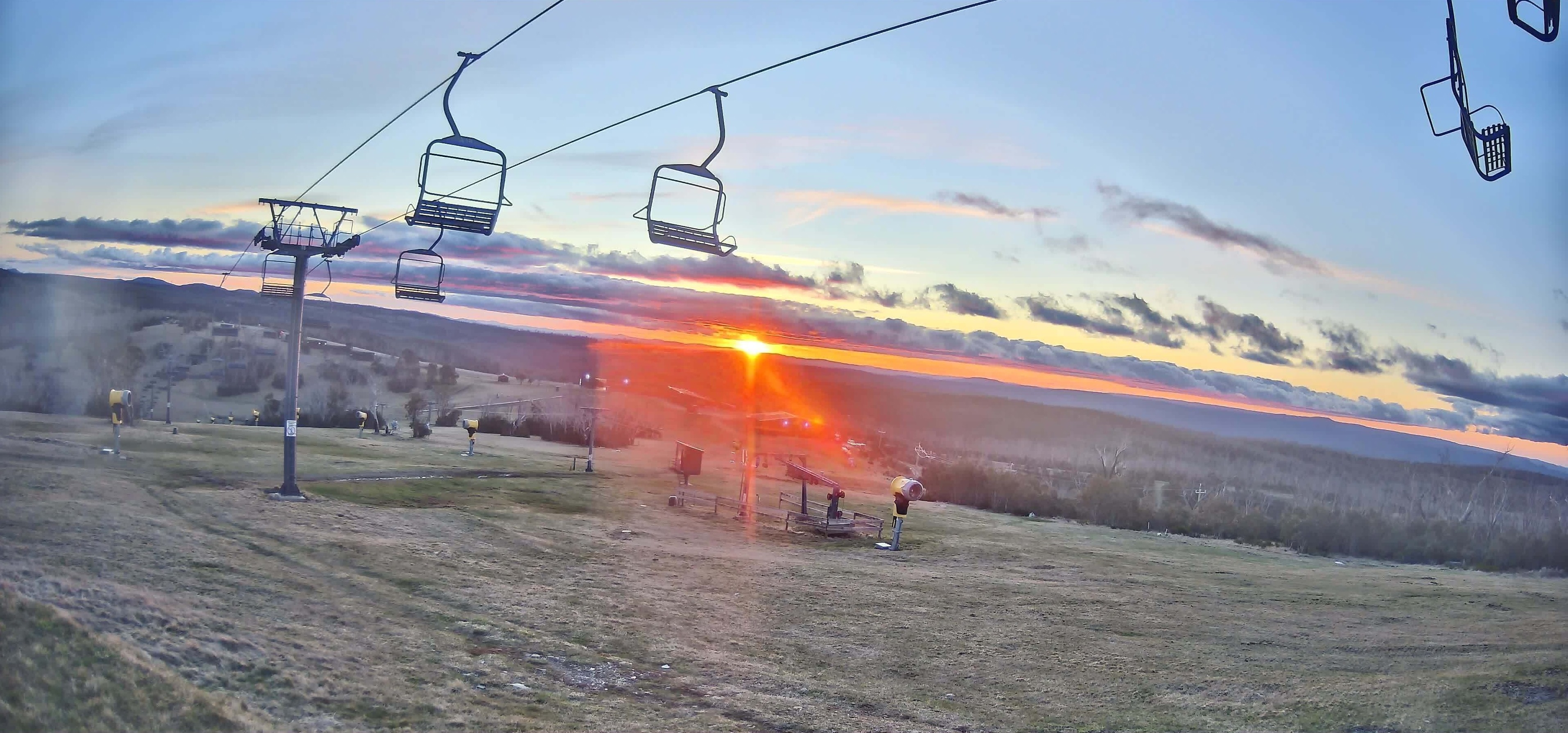
Warm weather, rain and dwindling snow cover have cut Australia’s ski season short this year. By early September 2026, numerous resorts had already stopped running their lifts, most around four weeks ahead of schedule. Thredbo and Perisher are still offering a few final turns, but with significant restrictions.
Seven Ski Resorts Call It a Season
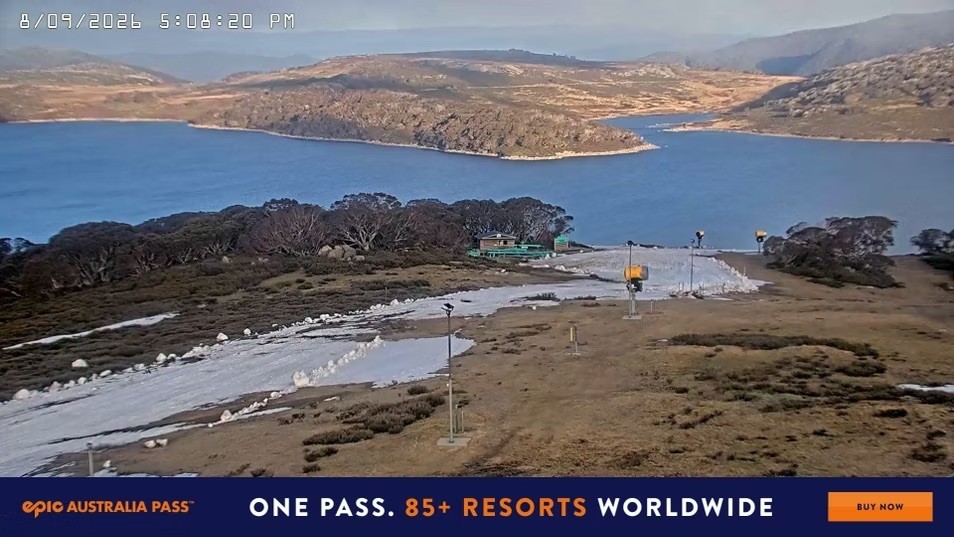
Early September usually brings fantastic spring skiing in the Southern Hemisphere, but many Australian resorts have already closed their slopes. An unusually warm winter has caused the snow to melt at a record pace.
Selwyn in New South Wales and Mount Baw Baw in Victoria were among the first to close. Selwyn ended ski operations on 21 August, followed by Mount Baw Baw on 24 August, after rain severely damaged their remaining snow cover.
More resorts followed in early September. Charlotte Pass stopped running its lifts on 5 September, with Falls Creek closing a day later. Mt Hotham and Mt Buller also wrapped up their ski seasons last Sunday, 6 September. In Tasmania, Ben Lomond’s season came to an end during the first week of September too.
Hotham and Falls Creek illustrate just how much skiing has been lost: both had originally planned to stay open until 4 October. Their seasons have therefore ended exactly four weeks early.
The warmest winter in over 100 years
An exceptionally warm winter lies behind the early closures. According to Australia’s Bureau of Meteorology, New South Wales recorded its warmest winter since records began in 1910. The average temperature was 1.81°C above the 1961–1990 average.
Even in the mountains, temperatures often failed to drop low enough. Perisher, Australia’s largest ski resort, recorded 301 millimetres of precipitation between 1 June and 2 July, but just 25 millimetres fell in sub-zero temperatures. Further mild spells and rain continued to erode the snowpack. On 29 August, Perisher reached 14.4°C, setting a new local winter temperature record.
According to an analysis by ABC, higher elevations recorded their poorest natural snow season since 2006, while lower elevations experienced their worst on record.
Thredbo and Perisher: A Few Final Turns on Limited Terrain
Australia’s ski season is not quite over yet. Perisher’s operator currently reports nine lifts and 11 groomed runs still open in the Perisher Valley area. Snowmaking is helping to keep the slopes open, while all runs in Blue Cow, Guthega and Smiggin Holes have already closed.
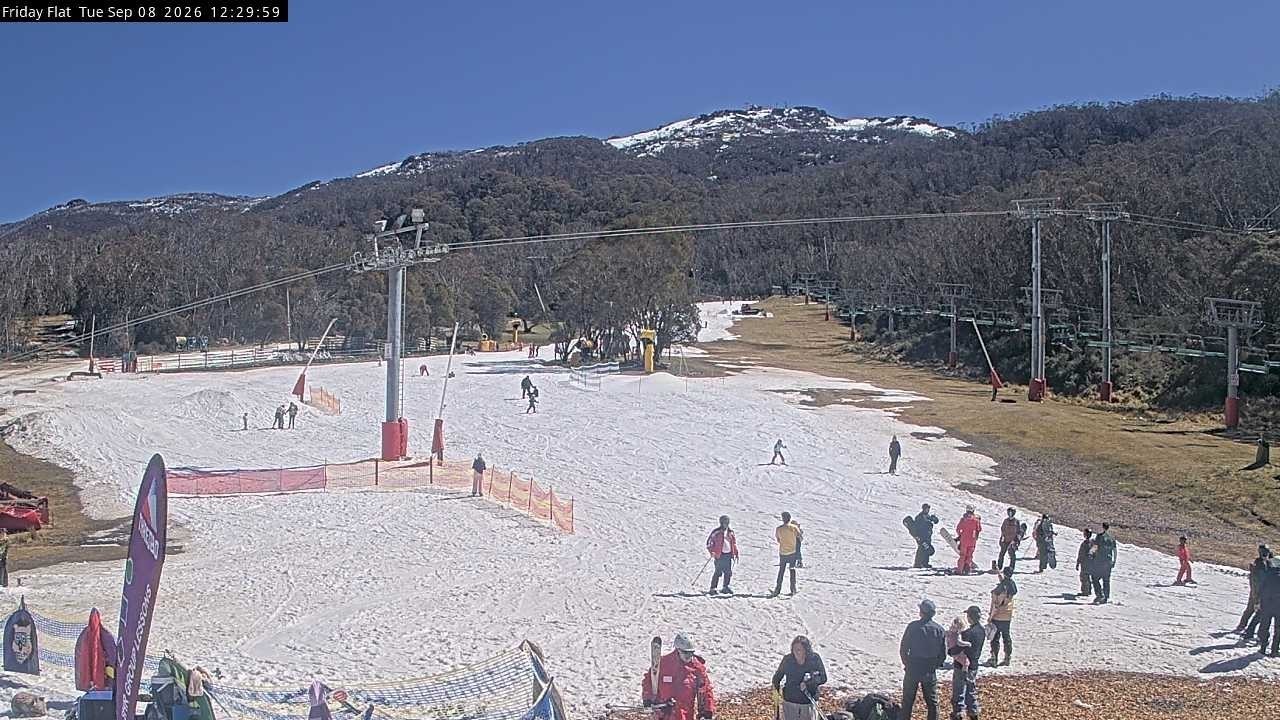
At Thredbo, skiing and snowboarding are now confined to the Friday Flat beginner area, served by the Easy Does It Chairlift and Wombat’s Snowrunner. All terrain beyond the beginner area has closed for the season. Visitors on foot can already take scenic rides on the Kosciuszko Chairlift, much as they would in summer.
New Zealand and South America: Deep Snow and Extended Seasons
Parts of the rest of the Southern Hemisphere tell a different story. In New Zealand, reported snow depths currently stand at 115 cm at Cardrona and 189 cm on the upper slopes of Mt Hutt. Cardrona is even extending its season until 18 October.
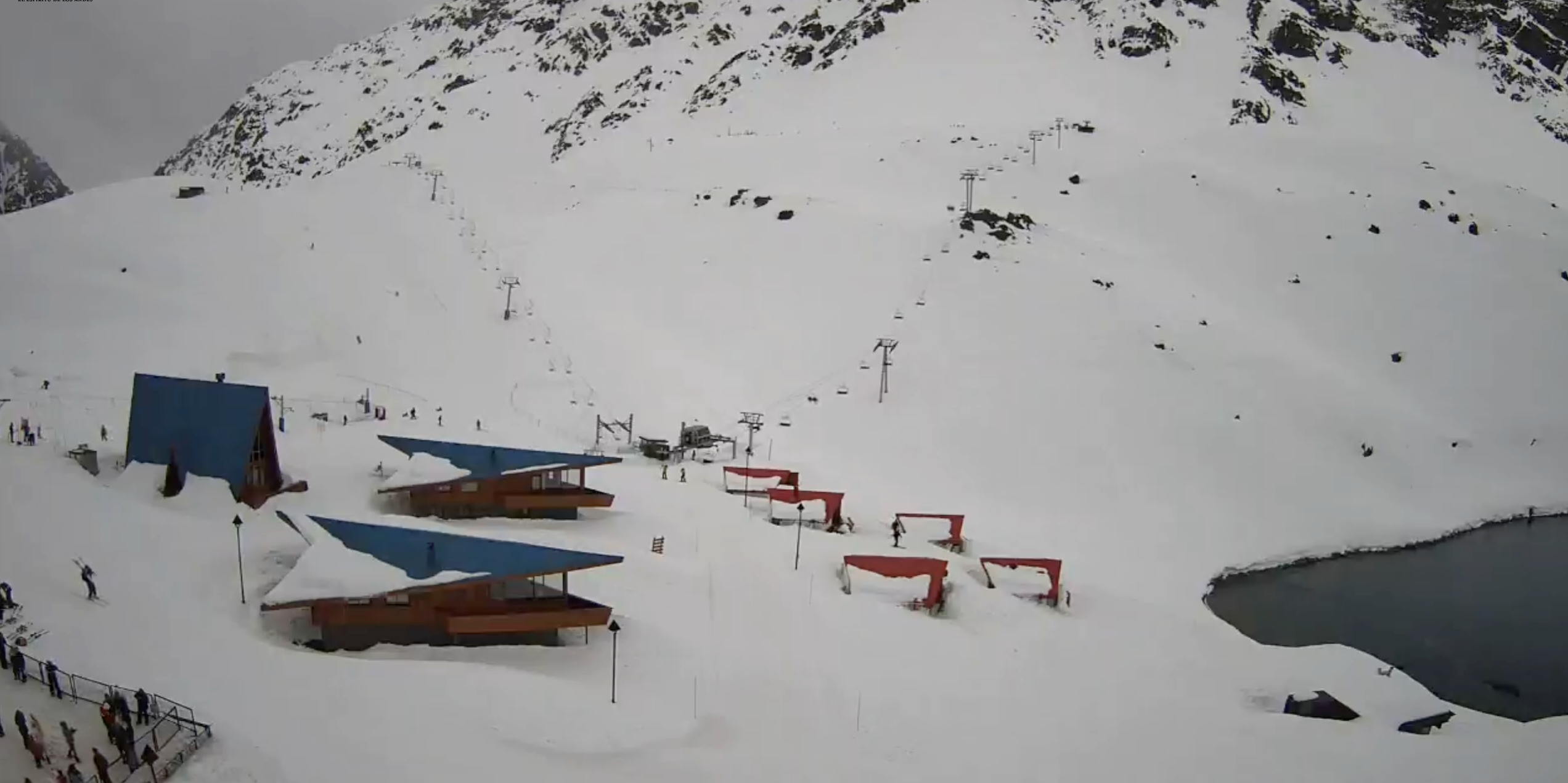
In Argentina, Las Leñas recently reported snow depths ranging from 1.30 metres at the base to 3.30 metres at the summit, while Chapelco announced an extension until 30 September. Across the border in Chile, Portillo has received more than 6.5 metres of snowfall over the season and has extended its season until 11 October. Many other Chilean ski resorts also remain open with deep snow cover, following a powerful winter storm that delivered metres of fresh snow in late July.
Professional ski teams are now making the most of these conditions for training. With all of Europe’s glacier ski areas closed following an exceptionally hot summer, World Cup squads are heading to the snow-covered slopes of South America.