The IOC has made its call, and it marks one of the biggest shake-ups in Olympic winter sports in decades: freeride skiing will make its Olympic debut in 2030, while Nordic Combined is dropped from the programme after more than a century. Two disciplines, two completely opposite fates — announced on the very same day.
One Decision, Two Very Different Stories
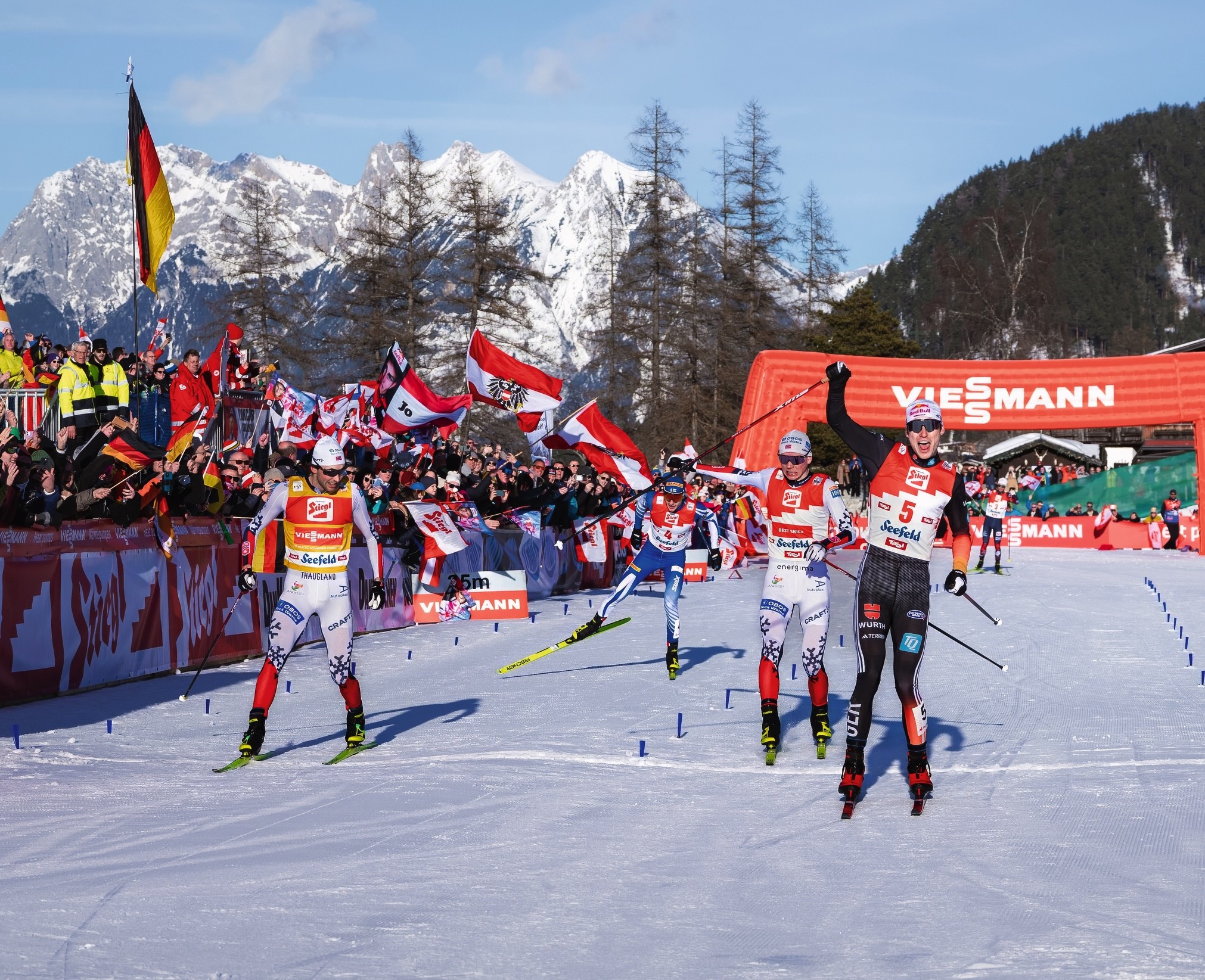
This week, the IOC's Executive Board announced the final event programme for the "Alpes 2030" Winter Games in France, meeting in Lausanne. For the freeride community, it's the culmination of thirty years of growth. For Nordic Combined, part of the Games ever since their debut in Chamonix in 1924, it's an abrupt end to a century-long Olympic run.
Both calls came out of the same review process, in which the IOC weighed 14 different popularity metrics, everything from TV audience figures to social media engagement to ticket sales. The verdict was unambiguous: freeriding is surging with younger audiences and on social media, while Nordic Combined has consistently ranked among the least popular sports on the programme at the 2014, 2018, 2022 and 2026 Winter Games.
The End of the Road for Nordic Combined
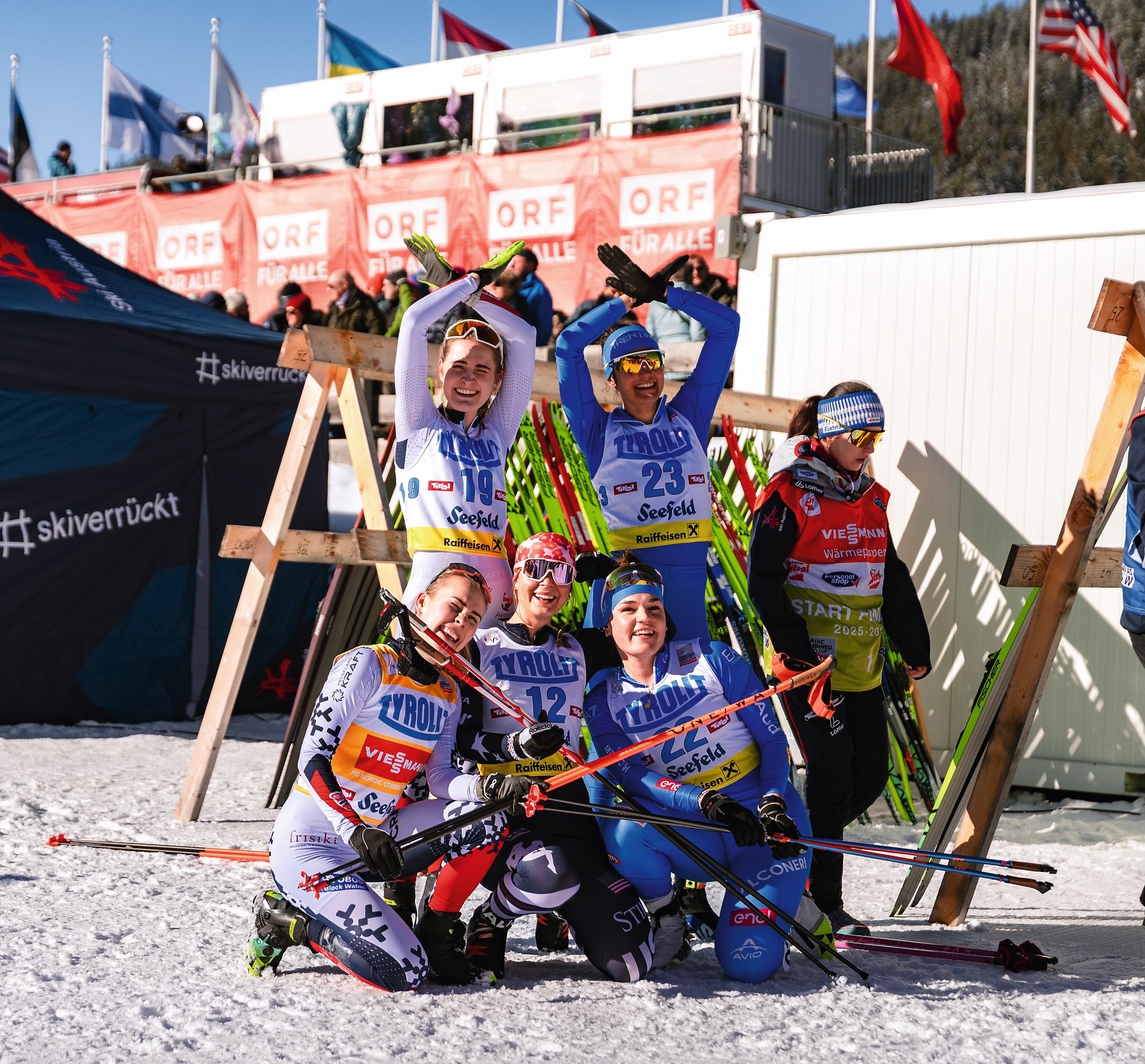
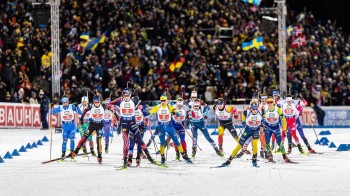
For Nordic Combined, which pairs ski jumping with cross-country skiing, being cut is a historic blow. FIS President Alexander Ospelt didn't hide his disappointment, pointing to the sport's tradition dating back to 1924 and its role in developing Nordic skiing talent. At the same time, he noted that adding women's events had recently given the sport real momentum.
>> Check out the Nordic Combined World Cup calendar
Both the German and Austrian ski federations reacted with dismay. Along with Norway, these two nations have long been among the sport's powerhouses, and both plan to keep pushing for the discipline's return to the Olympic programme. There's at least some consolation for now: the FIS has pledged to keep supporting the sport for the next four years despite the cut, meaning a comeback for 2034 hasn't been ruled out.
At this year's 2026 Winter Games in Milan-Cortina, Nordic Combined bowed out on a high note. Norway's Jens Luras Oftebro swept gold in all three individual events and teamed up with Andreas Skoglund to add team gold on top, a triumphant, if bittersweet, farewell for a sport steeped in Olympic tradition.
Freeride Skiing Celebrates Its Olympic Debut
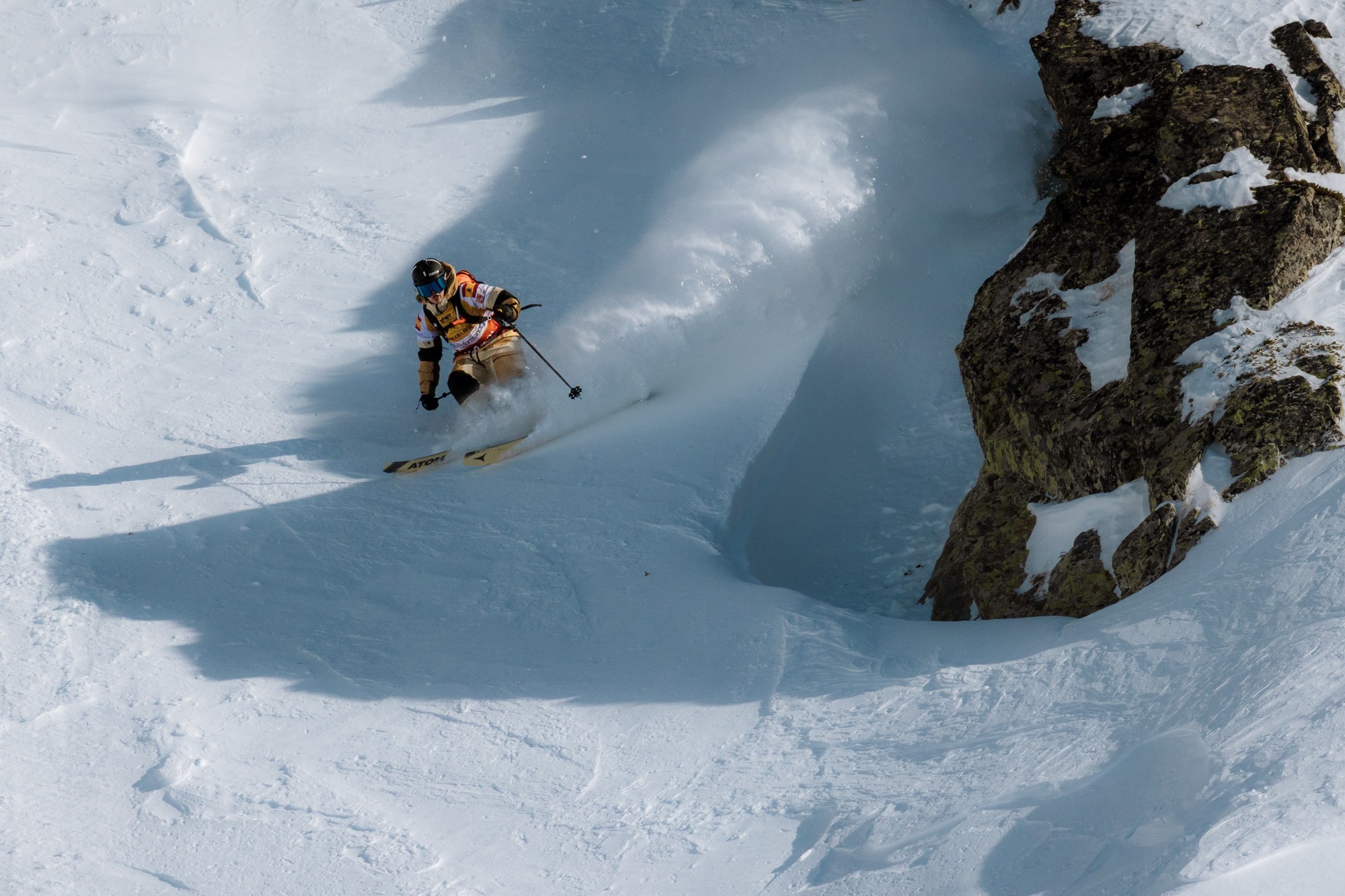
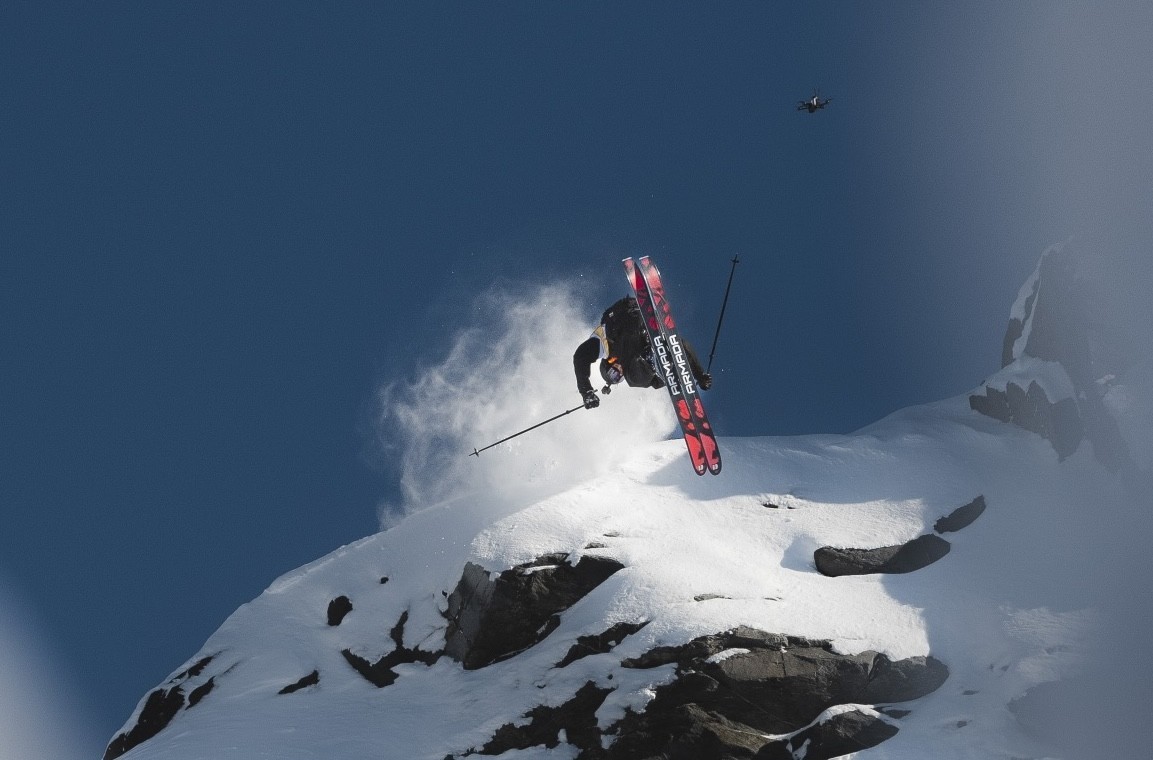
While Nordic Combined mourns, the freeride world is celebrating. For the first time in its history, the discipline will step onto sport's biggest stage in 2030, with four events planned and 22 women and 22 men earning a start.
Unlike classic alpine disciplines, freeride skiing isn't raced against the clock on a groomed course. Instead, athletes pick their own way down open, natural terrain, and a panel of judges scores them on creativity, control, flow and the difficulty of the line they've chosen. It's exactly that freedom that's turned a small scene born in Verbier into a global discipline with a rapidly growing fan base. The Freeride World Tour (FWT) recently joined the FIS family as well.
>> Look back: the 2026 Freeride World Tour stops
FWT founder and CEO Nicolas Hale-Woods called it an emotional moment for the whole community and a reward for three decades of groundwork, from the sport's earliest riders to the young athletes who can now dream of an Olympic medal for the first time. FIS President Ospelt, who had just voiced his regret over losing Nordic Combined, sounded far more upbeat about freeriding: the mix of thrilling action and stunning natural backdrops, he said, makes it a genuine asset to the Games.
The Bigger Picture: A New Olympic Programme
The two decisions don't stand alone. The Alpes 2030 Games will also add a new team event, Synchro9, to figure skating, while the snowboard parallel giant slalom keeps its place on the programme. In total, around 3,046 athletes will compete across 126 events, with the Games achieving full gender parity in the field of competitors for the first time.
The pattern here is hard to miss: the IOC is increasingly shaping its programme around audience interest, digital reach and younger viewers, even when that means letting go of sports with deep tradition. For Nordic Combined, that's a painful blow after more than a hundred years on the Olympic stage. For freeride skiing, it's a leap from niche pursuit to the spotlight, and the start of a new Olympic success story that begins in the French Alps in 2030.