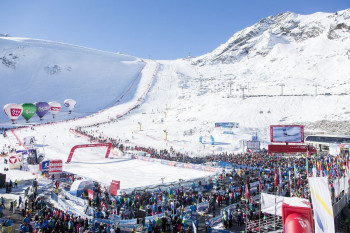
Too mild for the World Cup: At Mont Tremblant, around 130 kilometres north-west of Montreal, the two women's giant slaloms scheduled for 5 and 6 December 2026 will not take place. On 25 November, FIS cancelled the races on the Flying Mile due to a lack of snow – just as in 2024. FIS is still looking into whether the two giant slaloms can be held at another venue.
Here you can find out what's next for the women's World Cup, along with course info, the weather forecast and a look back at the 2025 races.
Why There Wasn't Enough Snow
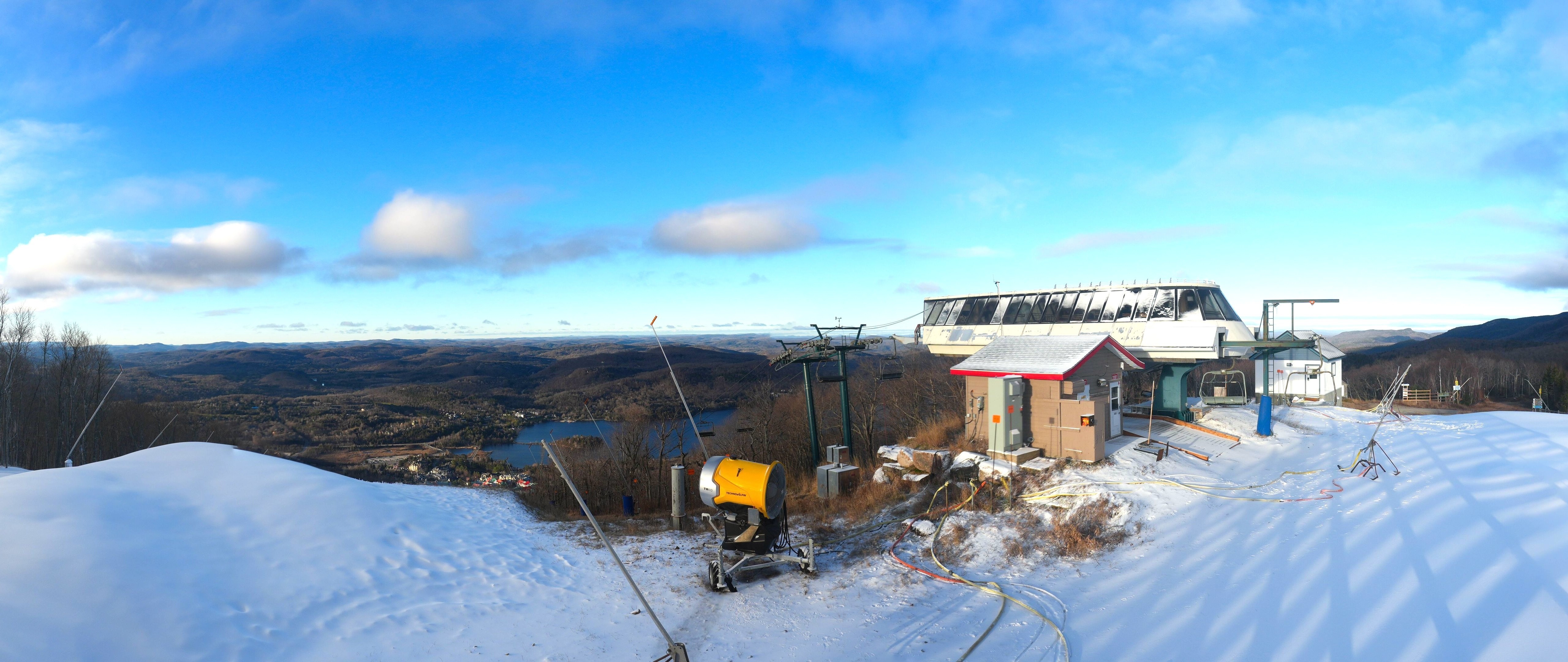
By now, the course crew should have been putting the finishing touches to the Flying Mile for the World Cup. Instead, they were fighting the weather at Mont Tremblant: dozens of snow guns were running flat out, many of them set up only the day before – and yet several sections of the slope remained bare, as the Canadian newspaper La Presse reported.
The course needs around one metre of snow along its entire length to host a World Cup giant slalom. That would have required a longer spell of minus 5 to minus 8 degrees Celsius. Only a week earlier, organising committee chief Nicholas Cogger had been cautiously optimistic, but the cold never came. In the end, nobody waited for the FIS snow control on 26 November: news of the cancellation broke on Tuesday evening, and FIS confirmed it on Wednesday.
For Tremblant, it is a bitter déjà vu. The races were cancelled for the same reason in 2024. Back then, one of the two races was made up in Sestriere in February, while the other was dropped without replacement.
Wettervorhersage
What Was Planned in Tremblant – and How 2025 Went
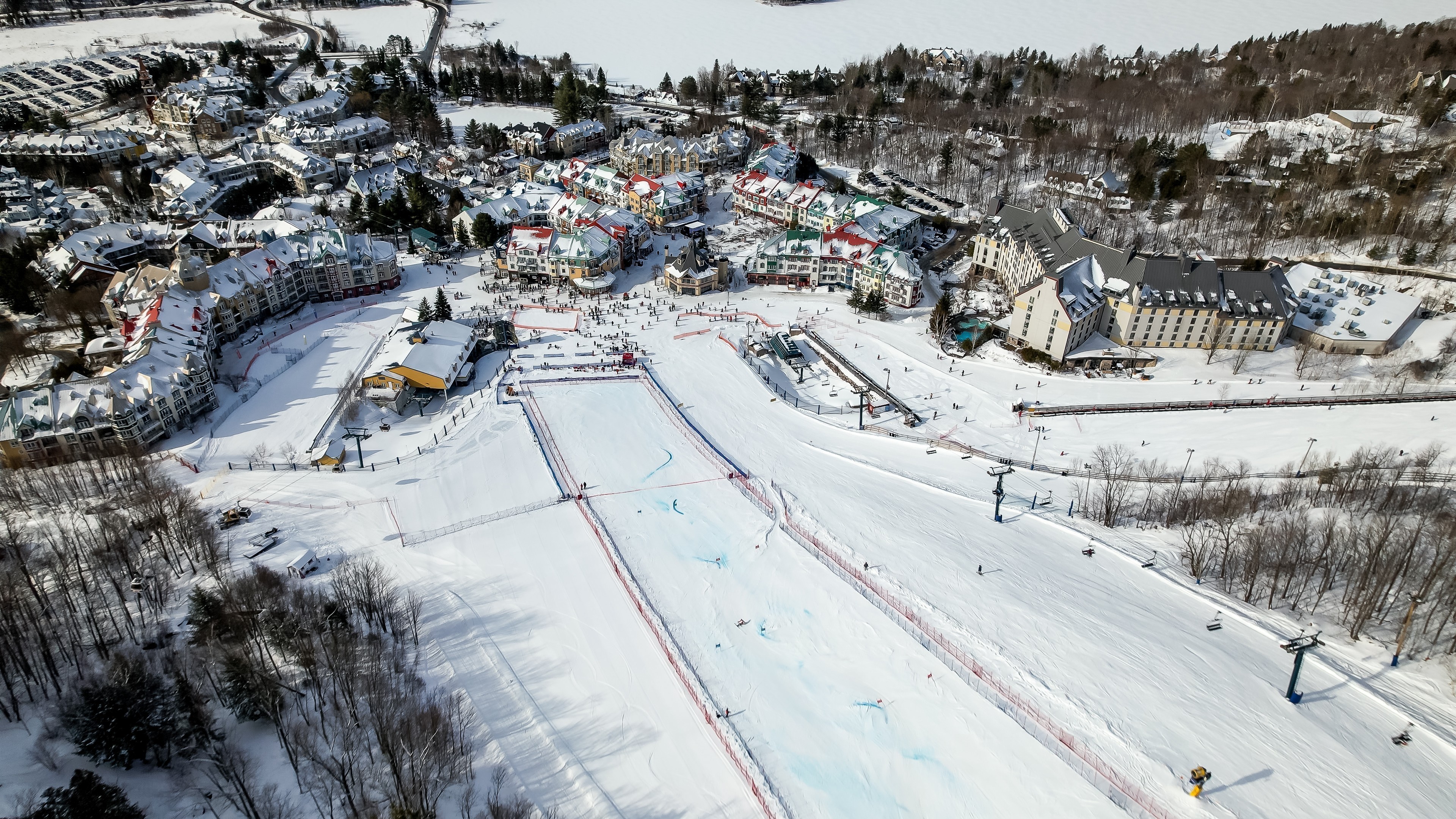
The World Cup races would have been held on the Flying Mile, which Tremblant founder Joseph Ryan named after one of his racehorses in 1939: steep and technical at the top, flatter and rolling in the middle, and finishing with the steep Johansson Pitch, which leads straight into the finish area in the heart of the car-free village. From the start at 590 metres, the course drops 320 vertical metres to the finish at 270 metres. Two women's giant slaloms were scheduled there on 5 and 6 December, with both races decided in the evening Central European Time.
And Tremblant would have celebrated. After the first awards ceremony, the racers would have walked right through the crowd on Place Saint-Bernard to the stage to draw their bib numbers for Sunday in public. Drums as a tribute to the Indigenous culture of the Laurentians would have set the rhythm, until a drum is finally pierced with a ski pole – followed by a DJ party late into the evening.
Last year showed just how special this weekend can be. In heavy snowfall, Alice Robinson won the first giant slalom by almost a second ahead of Zrinka Ljutic, with Canada's Valerie Grenier in third. The next day, Julia Scheib, who had gone out on Saturday, struck back and won ahead of Sara Hector and Robinson – the start of a winter that ended with the Austrian lifting the giant slalom globe. In 2023, when Tremblant returned to the World Cup after a 40-year break, Federica Brignone won both races.
What Happens Next
It is still unclear whether the two giant slaloms will be made up at another venue. FIS is looking into a relocation, but no date or venue has been set yet. As soon as there is news, we will add it here and in our World Cup calendar.
For the women, the season continues this weekend: in Killington (Vermont), a giant slalom is scheduled for Saturday, 28 November, followed by a slalom on Sunday. From 11 to 13 December, Beaver Creek hosts two downhills and a super-G, before the next giant slalom awaits in St. Moritz on 20 December.