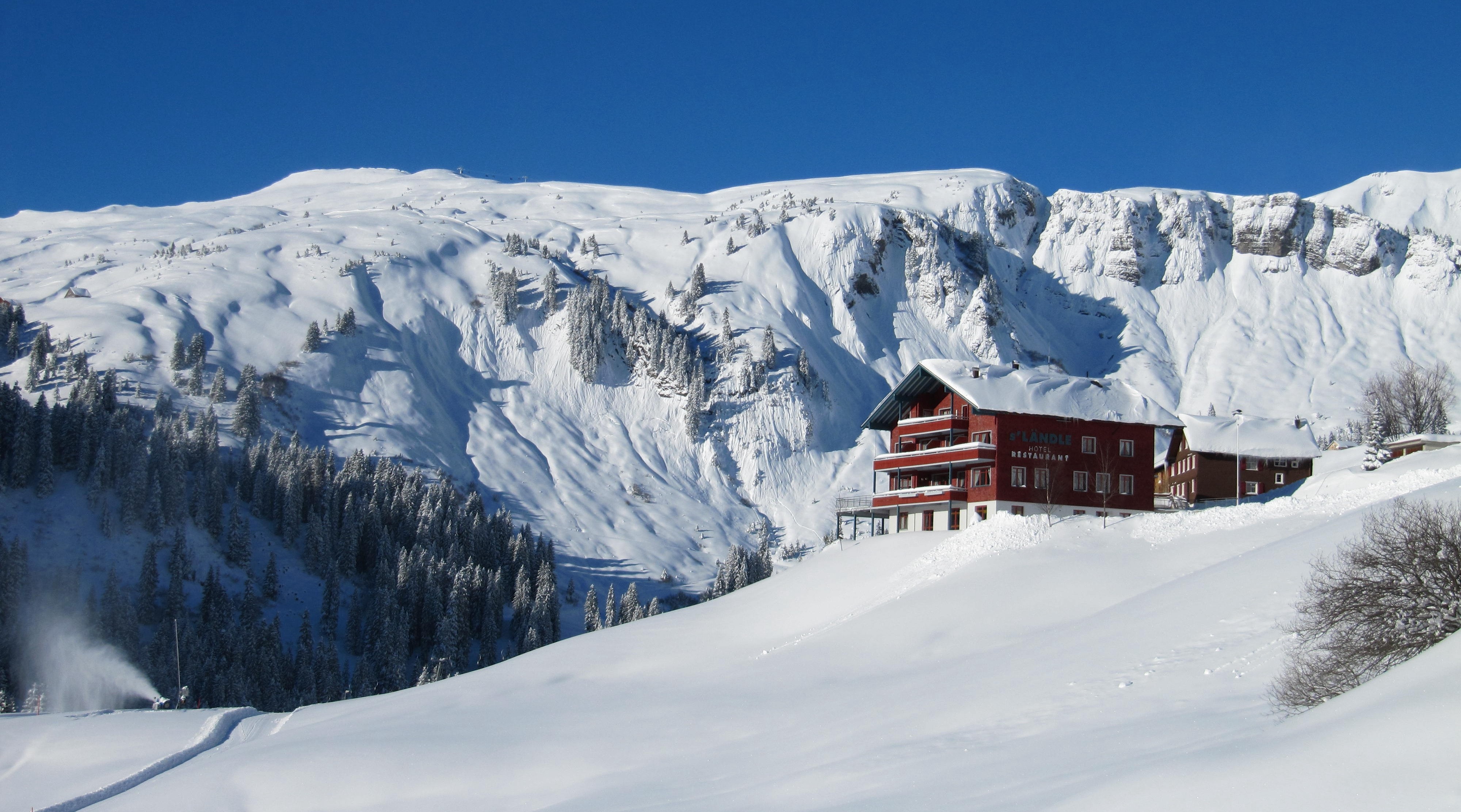
At the start of the winter season, teams at ski resorts grow too. Hotels, restaurants, lift companies, ski schools, sports shops and transport providers all need extra staff to keep things running from the breakfast buffet and the first gondola ride of the day to après-ski.
For several months, the mountain becomes both a workplace and a temporary home. Early starts, late finishes, busy holiday periods and weekend work are part of the package. If you enjoy working in a team and can handle hectic days, there are plenty of opportunities – including some roles open to career changers.
Early Starts and Busy Days: What a Winter Season Is Really Like
Long before the first guests have finished breakfast, preparations are already under way. Food is being prepared in the kitchen, safety checks begin at the base station and reserved equipment is waiting in the ski rental shop.
The exact length of a seasonal job depends on the employer. Many contracts begin before Christmas and run until Easter, while others cover only a few busy holiday weeks. Working hours vary just as much: breakfast staff start early, bar shifts finish late, and snowmakers, technicians and snow groomer operators may work through the night.
Plenty of Openings in Hotels and Mountain Huts

Hotels, restaurants and mountain huts offer a particularly wide range of seasonal jobs. Chefs and kitchen assistants prepare the food, waiting staff look after guests, and reception teams coordinate arrivals, bookings and questions about the ski resort.
Staying calm and organised is essential, especially in service roles. Anyone looking after several tables while answering questions needs to remain friendly even when the restaurant is full. At reception, organisational skills and foreign languages are valuable assets.
Housekeeping also offers plenty of entry-level opportunities. The work is physically demanding but does not always require formal training.
Maintenance technicians, caretakers and tradespeople, meanwhile, keep hotels, lift facilities and holiday accommodation running. Practical skills may be enough for minor repairs, while electrical, heating or plumbing work can require professional qualifications.
Ski Schools and Lift Companies: Working on the Mountain
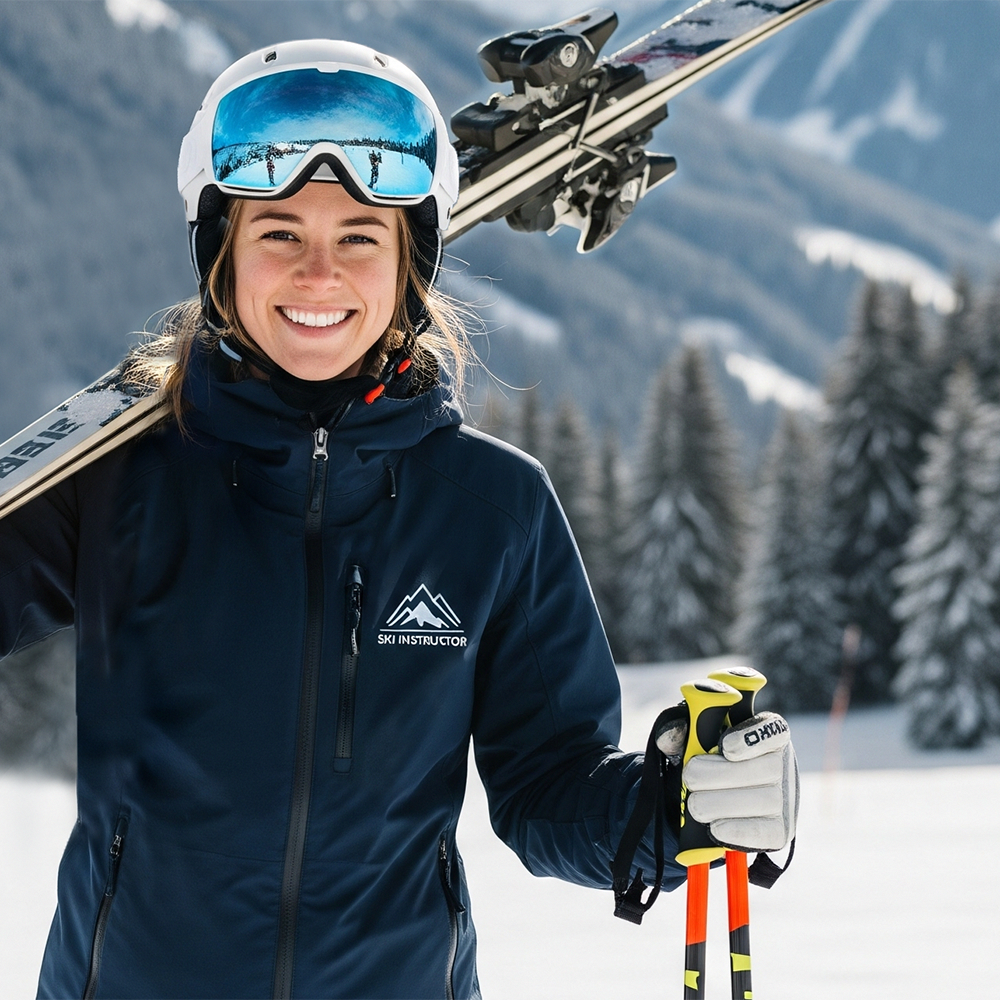
Ski instructors teach technique, keep their groups together and need to stay alert even in cold weather or poor visibility. A recognised qualification is usually required. Those without one may still find work at the ski school reception, equipment desk or in course administration.
For lift staff, the working day often begins before the first gondola departs. Employees check boarding areas, assist guests and keep an eye on day-to-day operations. Technical aptitude may be sufficient for some positions, while others require specific qualifications.
Snowmaking and piste grooming are rarely casual holiday jobs. Snowmakers and snow groomer operators often work at night and need experience as well as thorough on-the-job training.
From Ski Rental Shops to Driving Jobs
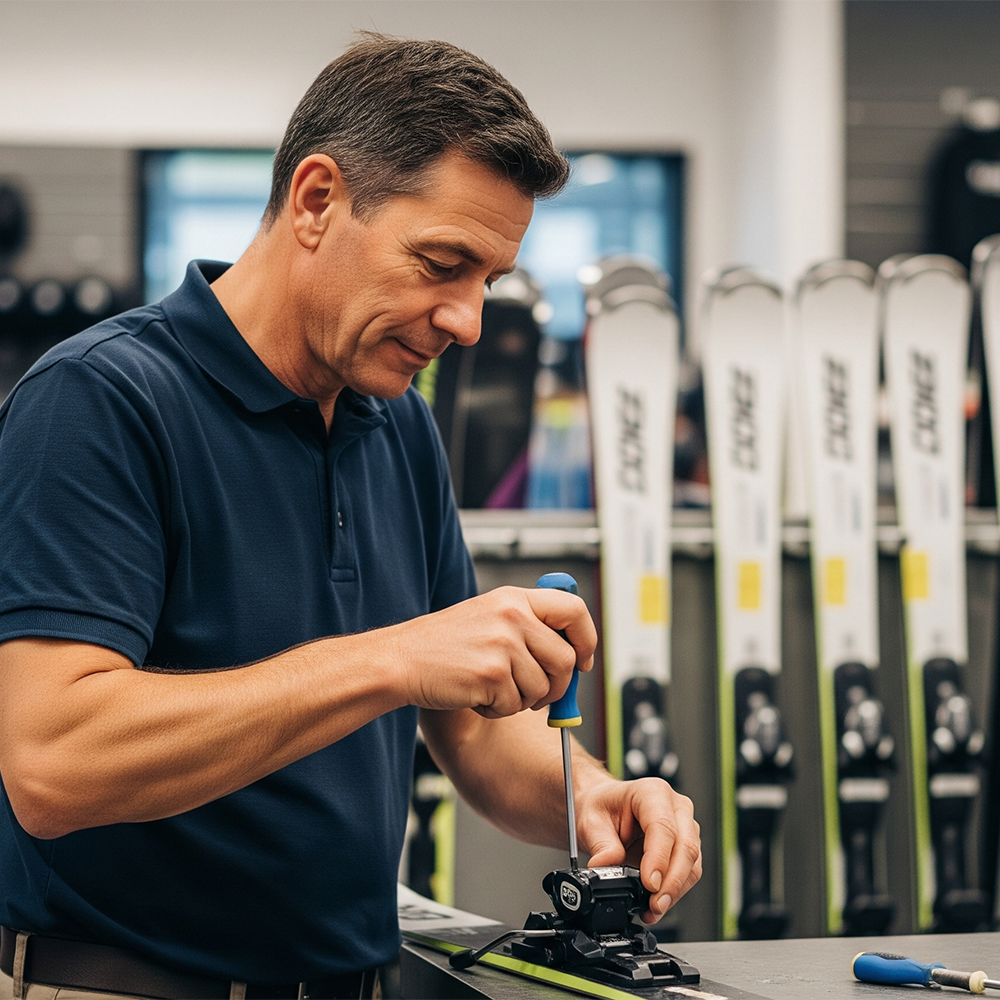
Mornings are particularly busy in ski rental shops. Guests need skis, snowboards, boots and helmets – quickly, and suited to their height, ability and intended use. Personal skiing experience is helpful, but patience and a friendly manner are just as important.
After the equipment is returned, it is checked and prepared for its next outing. Adjusting ski bindings is safety-critical work and should only be carried out by trained staff.
Bus drivers, taxi drivers and hotel shuttleservices connect railway stations, accommodation and lift base stations. Other roles include deliveries, luggage transport and internal logistics. The licence required depends on the vehicle, the job and the country. A standard car driving licence is not automatically sufficient. Patience and good local knowledge are especially useful on busy arrival and departure days.
Pay and Staff Accommodation: Look at the Whole Package
There is no universal salary range for seasonal jobs. Pay depends on the country, sector, qualifications, professional experience and working hours. It is therefore important to look at the entire package.
Staff accommodation, meals or a ski pass can make a job more attractive. However, applicants should check whether these benefits are free or deducted from their wages. Accommodation also deserves a closer look: Is it a private or shared room? Is there a deposit? How far is it from the workplace?
Before accepting a position, make sure the following points are clear:
- Contract length and responsibilities
- Weekly hours, shift patterns and days off
- Gross pay and overtime compensation
- Accommodation and meal costs
- Ski pass, workwear and other benefits
- Probationary period and notice terms
Anyone working abroad must also check local registration, insurance and employment requirements. Separate rules apply in Switzerland and to applicants from outside the European Union.
The Best Places to Look for Seasonal Jobs
WinterSummerJobs lists seasonal vacancies in hospitality, food service, sport, retail, transport and skilled trades. Registration is free for jobseekers. Following its launch last year, the platform is entering its second winter season in 2026. Summer vacancies are expected to be published from January onwards.
Other useful places to search include:
- The job portal of the German Federal Employment Agency
- Austria’s Public Employment Service, AMS
- The European job mobility portal EURES
- General job websites such as Indeed and Stepstone
- Career pages run by lift companies, hotels and ski schools
- Tourism associations, regional job boards and Alpine clubs
It is also worth setting up automatic job alerts. Vacancies regularly appear on the websites of individual employers without ever being advertised on the major job portals.
Don’t Leave Your Application Too Late
Many employers start recruiting their winter staff in late summer or early autumn. If you have a particular resort in mind, need staff accommodation or are applying for a skilled position, it pays to start looking early.
Short-notice vacancies also become available during the season. In these cases, things can move quickly. Even so, your responsibilities, pay, accommodation and start date should be confirmed in writing. A concise CV and proof of qualifications, language skills or driving licences will make the application process easier.
FAQ: Frequently Asked Questions About Seasonal Jobs at Ski Resorts
Do I need to be a good skier?
Not for most positions. Skiing ability is generally not required for jobs in kitchens, reception, housekeeping, retail or administration. It is a different matter for ski instructors and certain jobs carried out directly on the slopes.
Are there seasonal jobs that do not require formal qualifications?
Yes. Kitchen assistants, housekeeping staff, equipment attendants and service assistants often have opportunities to enter without formal training. Technical and safety-related roles, however, require the appropriate qualifications.
When should I apply?
Many employers start looking for staff in late summer or autumn. However, short-notice vacancies also become available during the winter season.
How long does a seasonal contract last?
It can range from a few busy holiday weeks to the entire winter season. The dates stated in the employment contract are what matter – not the ski resort’s general opening dates.
Is accommodation provided?
Not automatically. Some employers offer staff accommodation, while others only help with the search. Costs, facilities and whether the room is shared should be clarified before accepting the job.
How much can I earn in a seasonal job?
Pay depends on the country, position, qualifications and working hours. Applicants should compare not only the salary but also possible deductions and benefits such as accommodation, meals or a ski pass.
Will I have time to ski after work?
That depends on the shift pattern. A free morning or an early finish may leave enough time for a few runs. However, a staff ski pass is not automatically included.
Can I take a seasonal job abroad?
Yes, but registration, insurance and employment requirements vary according to the destination and your nationality. Separate rules apply in Switzerland and to applicants from outside the European Union.